| GREEN BRIDGE SOCIETY |
Patient & Industry Education |
|
 |
|
December Newsletter
As we wrap up the year, a lot of our patients are juggling holiday stress, colder weather, and expiring cards—all at once. We’re here to help keep the process simple, affordable, and a little more human.
Coming due for renewal?
Visit greenbridgesociety.com or call (814) 360-5353.
Renewals: $50 • New patients: $125
|
|
A Different Kind of Holiday Story
’Twas the night before Christmas, and all through the house,
Not a creature was stirring… because everyone’s meds had knocked them OUT.
Except, of course, for one lonely, wide-awake soul on the couch.
Meet Grandma Painkillers.
Her stocking is full of prescriptions: opioids, sleep meds, anxiety pills, stomach meds to deal with the side effects of the first three… and exactly zero actual quality of life. She’s in pain, she can’t sleep, and she’s pretty sure she saw Rudolph tap-dancing on the ceiling at 3 a.m.
Meanwhile, somewhere up at the North Pole, there’s a meeting.
“Okay team,” Santa sighs, “we have millions of people dealing with chronic pain, chemo side effects, PTSD, insomnia… and we do have a plant that helps a lot of them. But instead of letting doctors and patients use it like normal grown-ups, we’re still arguing about whether it’s ‘real medicine.’”
The elves look up from the Naughty & Nice List.
“Who’s on the Naughty List this year?” one asks.
Santa clears his throat:
“The folks pretending cannabis has no place in medicine.”
At Green Bridge, we see the “Grandma Painkillers” of the world every day—patients who are overmedicated, under-supported, and tired of feeling miserable. Medical cannabis isn’t magic, and it’s not for everyone, but for many people it can mean better sleep, less pain, fewer pills, and a bit more actual living.
If this sounds like someone you love (or you), we’re here to help talk through options like adults—no scare tactics, no stigma, no pressure.
|
|
|
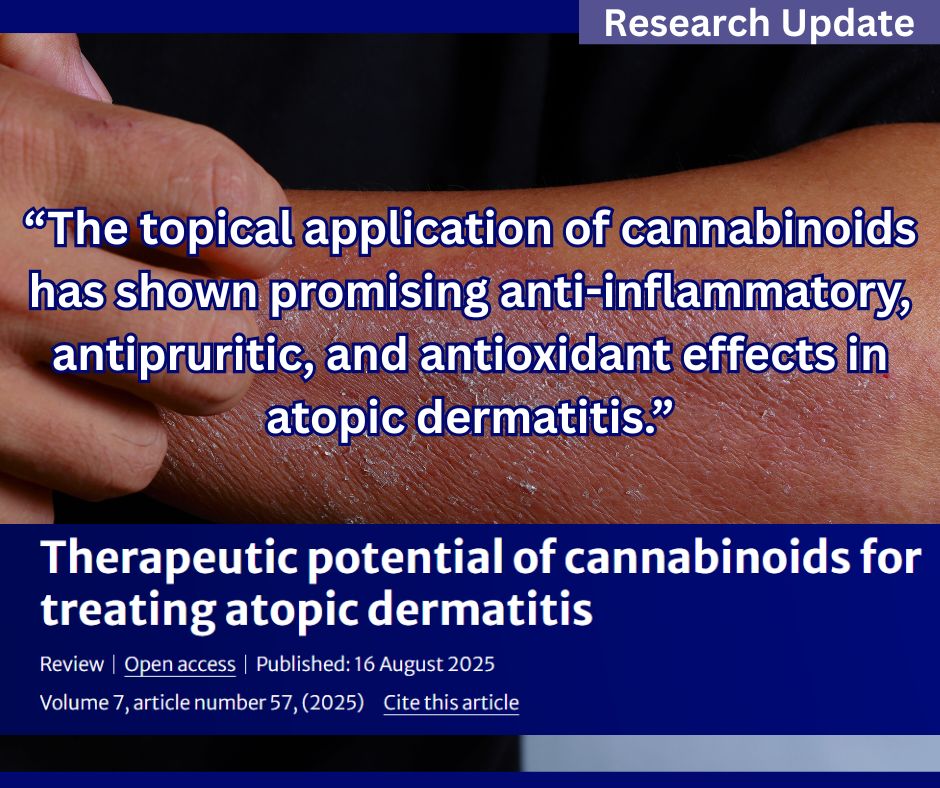
Cannabis and Eczema: A New Hope for Healing Skin
Cannabis science is moving quickly from theory into real-life care, and eczema, known medically as atopic dermatitis, is becoming one of the most promising areas. A new review in the Journal of Cannabis Research, along with recent clinical studies, shows that cannabinoids such as CBD, THC, CBG, and CBC may help with the key problems in eczema. These include chronic inflammation, constant itching, overgrowth of bad skin bacteria, and a weak or damaged skin barrier. Traditional steroid creams still help many patients, but long-term use can thin the skin and cause other side effects. Cannabinoids offer a different approach with natural anti-inflammatory, anti-itch, antioxidant, and antibacterial actions that can support the skin instead of simply suppressing it.
Our skin has its own cannabinoid system built in, with receptors and signaling molecules inside skin cells, immune cells, and the small nerves that carry itch signals. Cannabinoids can tune this system in helpful ways. CBD has been shown in lab and animal studies to support healthy skin oils called ceramides and to improve the skin's ability to hold water. That can reduce dryness and water loss through the skin, which are big drivers of eczema flare-ups. THC can also calm inflammation, even in models where the usual cannabinoid receptors are missing, which suggests it works through more than one pathway. Together, these findings point to cannabis compounds that are well matched to the biology of eczema instead of being a one-note treatment.
Even better, the science is not only in test tubes anymore. In one four-week open-label study, people with atopic dermatitis used a cream with 2 percent CBD once a day. Over time, they reported better hydration, less discomfort, less visible redness, and better-looking skin overall, with improvements still seen at eight weeks. In another small study, patients applied an ointment containing 30 percent CBD and 5 percent CBG under a simple wet wrap on their forearms. Over several weeks, skin hydration and oil balance improved, and the eczema lesions in that area went into remission. Other experiments show that CBD and THC formulas can slow the growth of bacteria such as Staphylococcus aureus, which often makes eczema worse, while CBG and CBC add extra anti-inflammatory and antibacterial power.
For the cannabis community, this growing body of research supports a clear message. Cannabinoids are more than an alternative trend. They are serious tools that may help people rely less on strong steroids and heavy immune-suppressing drugs, especially when used as part of a broader care plan. The authors of the new review do stress that we still need larger and stronger clinical trials, and that strict and uneven cannabis laws are slowing progress. Pushing for sensible, research-friendly cannabis policy is therefore a direct way to help patients. If regulators and health systems keep pace with the science, cannabinoid rich creams, lotions, and even carefully guided oral products could become everyday options for the many children and adults who live with atopic dermatitis.
|
|

|
Cannabinoid Hyperemesis Syndrome: What We’re Learning from Patients and New Research
As cannabis use expands across the country, clinicians are learning more about a rare but important condition known as Cannabinoid Hyperemesis Syndrome, or CHS. In October, the World Health Organization added CHS as an official medical diagnosis, giving physicians a clear way to identify and track cases. CHS occurs almost exclusively in people who use very high amounts of THC for long periods of time, and it presents with severe nausea, vomiting, abdominal pain, and dehydration. While relatively uncommon, its impact on patients can be dramatic, making early recognition and proper guidance essential.
At Green Bridge Society, we have only seen a small number of CHS cases over the years, and nearly all of them follow the same pattern: patients inhaling THC-heavy concentrates excessively and repeatedly. These are not casual users or patients taking measured therapeutic doses. Instead, they are people who have pushed their THC exposure far beyond what the body can regulate. Some arrived at the emergency room needing IV fluids because of dehydration. Yet the recovery was remarkably consistent. After stopping cannabis for just two or three days, every patient’s symptoms resolved completely. This rapid turnaround is one of the strongest clinical markers that CHS is the cause.
What makes CHS so fascinating is the paradox it reveals. THC is one of the most effective anti-nausea compounds known to medicine, used successfully for cancer patients and people with chronic illnesses. Yet at extremely high, sustained doses, the effect can reverse, causing the very symptoms cannabis is famous for relieving. We see this same biphasic pattern with anxiety and sometimes pain: low doses can calm, soothe, and relieve discomfort, while excessive use can trigger the opposite response. It is a reminder that cannabinoids are powerful therapeutic tools, but like all medicines, dose matters.
This is why the “start low and go slow” approach remains one of the most important principles of cannabis care. Every patient has a therapeutic window, a sweet spot where benefits are maximized and side effects are minimized. When patients climb too quickly or assume that more THC equals better results, they may unintentionally push themselves out of that window. CHS is rare, but it is one of the clearest examples of what can happen when tolerance, potency, and frequency outpace the body’s natural balance.
The good news is that CHS is completely reversible, and it is largely preventable with proper dosing, patient education, and mindful use. As research expands and clinicians gain more tools to recognize and study CHS, the cannabis community can better support safe, effective, and sustainable use. At Green Bridge Society, we remain committed to helping patients find that balanced therapeutic zone where cannabis works with the body, not against it, so they can experience the full health benefits of this remarkable plant.
|
|

|
Medicare May Soon Cover CBD: A Turning Point for Patients and the Cannabis Industry
A major shift may be underway in federal health policy as the Centers for Medicare and Medicaid Services considers authorizing insurance coverage for certain CBD products beginning in 2027. This follows growing national attention on the therapeutic potential of hemp-derived cannabidiol, including a video shared by President Donald Trump that called CBD “the most important senior health initiative of the century.” New CMS language, expected to appear in the Federal Register, would update current regulations so that only illegal cannabis products are excluded from Medicare coverage. This means federally legal CBD, and possibly other hemp-derived cannabinoids, could soon qualify for insurance reimbursement in states where they are legal.
The policy discussion has already made waves across financial markets, with cannabis stocks rising after Bloomberg reported the development. Early versions of the CMS plan suggest initial coverage may focus on seniors in oncology and palliative care, where CBD is already widely used for nausea, pain, sleep, appetite, and anxiety. Industry leaders see this as a historic step toward integrating cannabinoid therapies into mainstream healthcare. With the FDA recognizing hulled hemp seeds, hemp seed protein powder, and hemp seed oil as safe for consumer use, Medicare inclusion of therapeutic CBD would mark the first time the federal government acknowledges cannabinoids as reimbursable treatment options.
Political momentum is also growing behind the scenes. Health and Human Services Secretary Robert F Kennedy Jr recently met with Howard Kessler of the Commonwealth Project, the group behind Trump’s viral video, to discuss educating physicians on the endocannabinoid system and expanding access for seniors. Supporters argue that Medicare coverage is not only about improving patient outcomes but also about reducing overall healthcare costs. Some analyses show that properly integrated medical cannabis programs could save the United States healthcare system tens of billions of dollars each year by reducing reliance on more expensive and more dangerous pharmaceuticals.
At Green Bridge Society, we believe this federal conversation is long overdue. Cannabinoid based therapies, including CBD, CBG, CBC, and other minor cannabinoids, should be seriously considered as first-line treatment options for several chronic conditions. They are often more effective, far safer, and potentially far less costly than traditional medications. Medicare coverage would allow millions of seniors to access natural therapies that support sleep, mobility, pain relief, mood balance, and overall well-being without the risks associated with opioids, benzodiazepines, or complicated medication combinations. As policymakers debate next steps, one thing is clear. Recognizing cannabinoids within Medicare is not just a political milestone. It is an opportunity to modernize healthcare and provide patients with better, safer, and more affordable options.
|
|
|
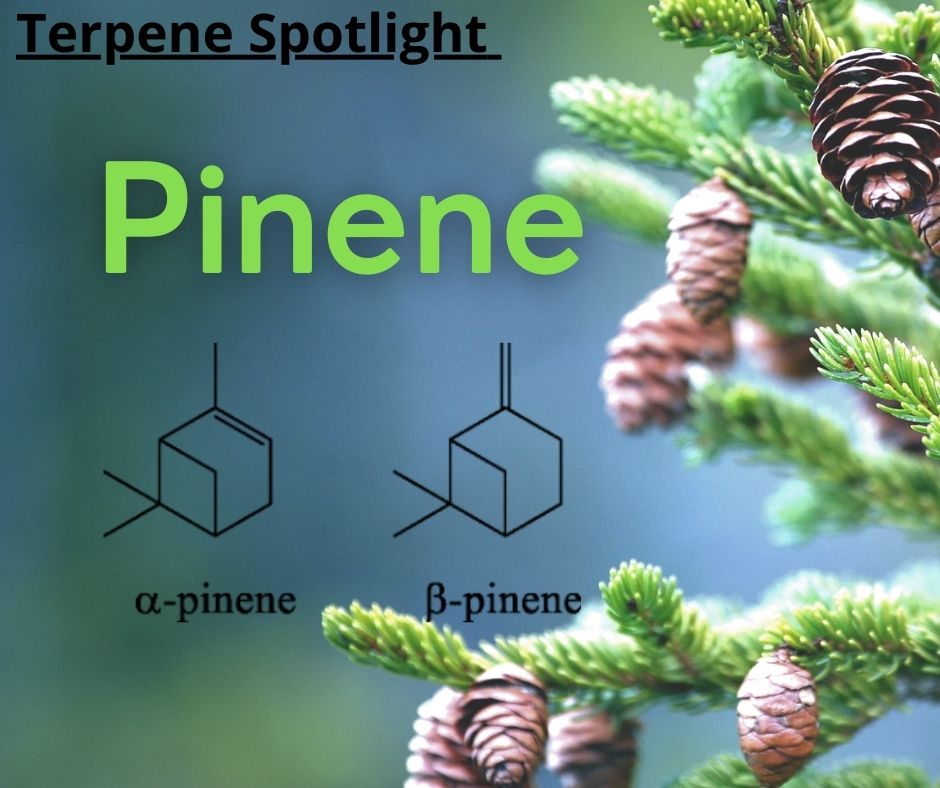
Pinene: The Pine Scented Terpene With Real Medical Potential
Pinene is one of the most common and studied terpenes in the natural world, found in pine needles, rosemary, basil, and many cannabis varieties. Its fresh, forest-like aroma is instantly recognizable, but the science behind pinene is what truly stands out. Over the past decade, researchers have uncovered a wide range of therapeutic properties, showing that this terpene is far more than a pleasant fragrance. Both alpha pinene and beta pinene have demonstrated anti-inflammatory, antioxidant, antimicrobial, and neuroprotective actions in laboratory and animal studies, making pinene an important contributor to the overall therapeutic profile of many botanical medicines, including cannabis.
One of the strongest areas of evidence for pinene is inflammation control. Studies show that alpha pinene can reduce inflammatory signaling by downregulating molecules like TNF-alpha and interleukin-6 six. By calming these pathways, pinene may support conditions driven by chronic inflammation, such as arthritis, asthma, metabolic disorders, and even neuroinflammation. Beta-pinene has shown similar benefits in animal models, including improvements in blood sugar and lipid profiles. These findings align with what many cannabis patients report in real life. Strains high in pinene are often described as clear-headed, uplifting, and helpful for inflammatory pain without the mental fog associated with some other terpene profiles.
Pinene is also known for its effects on the lungs and the brain. As a natural bronchodilator, alpha pinene can help open airways and improve airflow, which may benefit people with asthma or respiratory irritation. In the brain, pinene acts as a mild acetylcholinesterase inhibitor, which means it helps protect acetylcholine, a key neurotransmitter involved in memory and learning. This has led researchers to explore whether pinene might help counteract some of the short-term memory effects of THC or support cognitive health more broadly. Early studies also point to potential anti-anxiety and neuroprotective benefits when pinene is combined with other calming terpenes like linalool.
A third important area of research is antimicrobial and anticancer activity. Pinene has shown activity against bacteria, viruses, and fungi in several studies, including strains that resist traditional antibiotics. In laboratory cancer models, pinene has slowed the growth of certain tumor cells and even enhanced the effects of chemotherapy drugs in lung cancer experiments. While these findings are early and not yet confirmed in human trials, they highlight pinene’s potential as part of a broader therapeutic strategy. As interest in terpene science grows, pinene is emerging as a key example of how plant-based compounds can offer meaningful medical value. Whether used in cannabis formulations, essential oils, or future clinical products, pinene is a powerful natural molecule with real promise for health and healing.
|
|
|
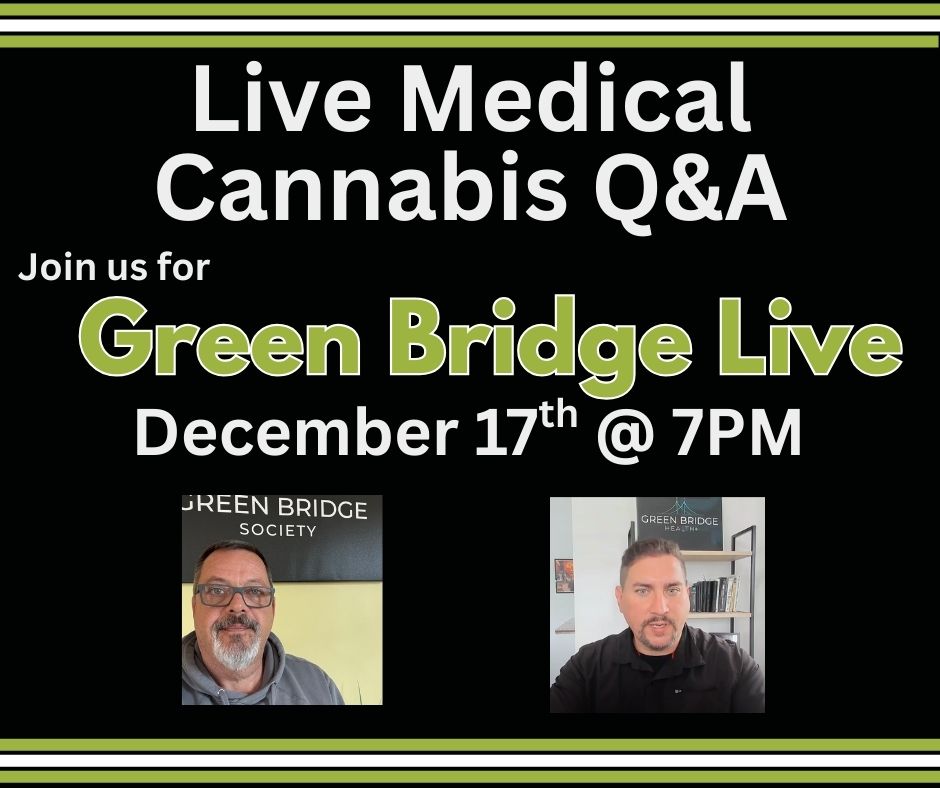
Green Bridge Live - December 19th @ 7PM
At Green Bridge Society, we believe education is key to making the most of medical cannabis. That’s why we’re hosting live online Q&A sessions, designed to provide trusted, science-backed information to patients, caregivers, and anyone looking to learn more about medical cannabis. Join us for this free online event on December 17th at 7PM. We will also cover some of the newest research. Click on the button below to register! Check out clips from previous events on our YouTube Channel!
|
|
|
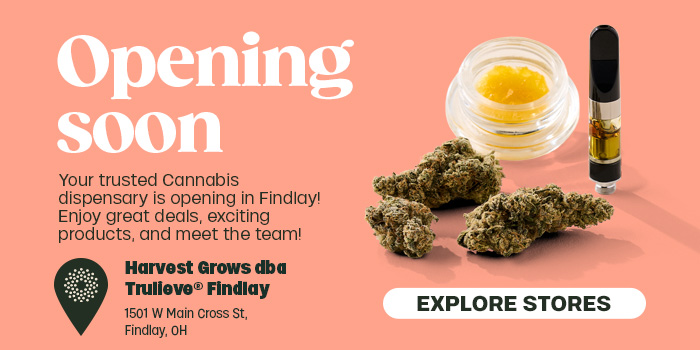
Trulieve is Coming to Findlay, Ohio
The new Trulieve dispensary is almost ready to open. Keep an eye on our social media for exact times and dates.
|
|

December Giveaway!
We are giving away 5 Trulieve swag bags. Email us at info@greenbridgesociety.com with your favorite Trulieve dispensary or product by December 21st for a chance to win. Please include your full name and mailing address. Five winners will be selected at random.
|
 |
|
If you are coming due for your yearly card renewal or you are new to medical cannabis and need to be certified, go to greenbridgesociety.com or call (814) 360-5353 to start the process today! With our staff of full-time physicians and friendly support team, Green Bridge Society makes getting certified via telemedicine quick and easy. Certifications are typically completed the same or the next day for most patients. Renewals are just $50, and our industry experts provide full state portal support.
Thank you for your support of Green Bridge and medical cannabis!
|
|